PRO QUALITY CAR CARE MADE EASY
Join millions of car enthusiasts and professionals globally who trust our cutting-edge.
easy-to-use car care products to protect,restore,and enhance their vehicles.

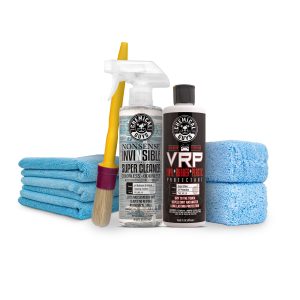
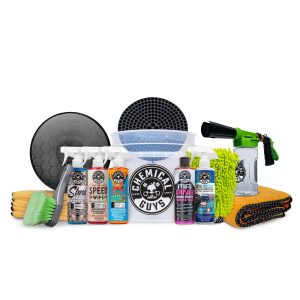
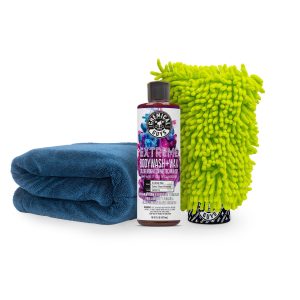
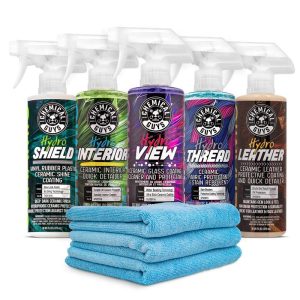
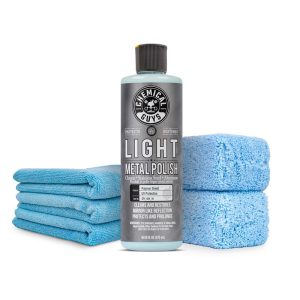
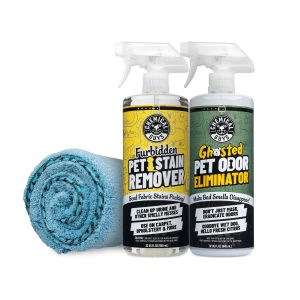
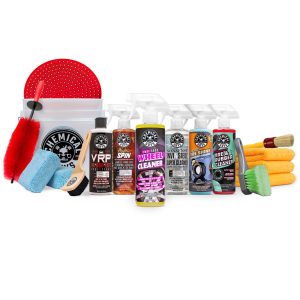

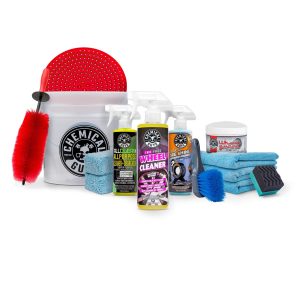
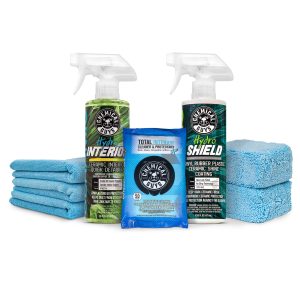
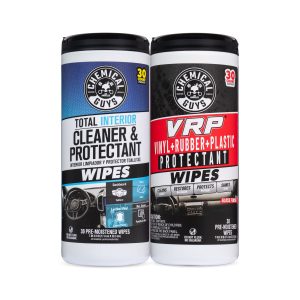
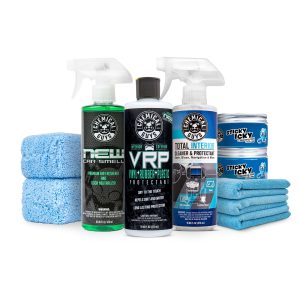
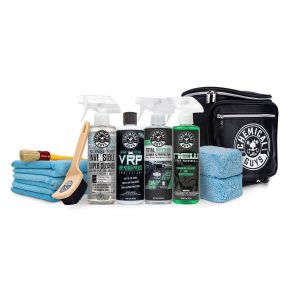
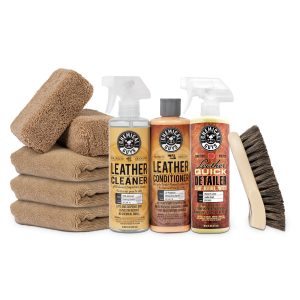
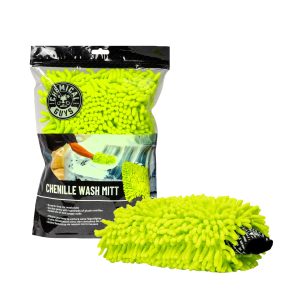
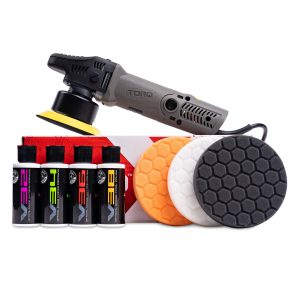
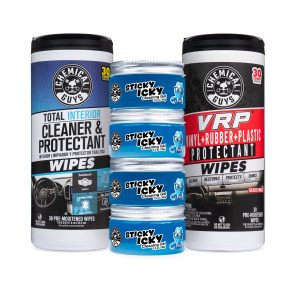
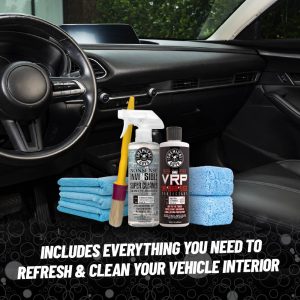
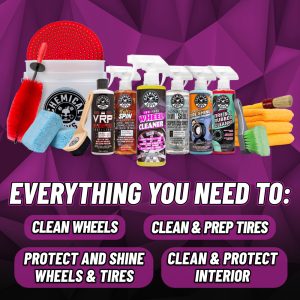
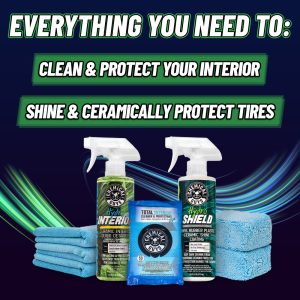
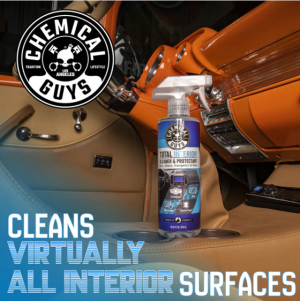
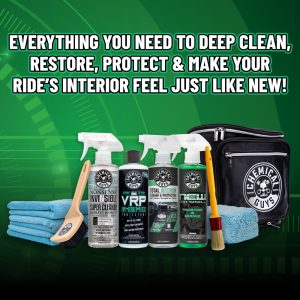
While the exterior of a vehicle is what the world sees, the interior is where the driver spends their time. Interior detailing requires a diverse range of supplies because a vehicle cabin is a complex mix of materials: glass, plastic, vinyl, leather, rubber, and fabric. Using the wrong product on the wrong surface can lead to discoloration, cracking, or sticky residues. This guide breaks down the essential supplies for a complete interior restoration.
The Chemistry of Cleaning vs. Protecting
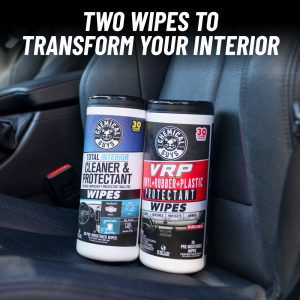
There is a distinct difference between an interior cleaner and an interior dressing. An interior cleaner is usually a surfactant-based liquid designed to lift oils, dust, and organic residues from surfaces. For general maintenance, an “All-Purpose Cleaner” (APC) diluted to a safe ratio is a staple. However, for sensitive screens and piano black trim, specialized delicate cleaners are required to avoid scratching.
Once cleaned, surfaces must be protected. UV rays are the enemy of dashboards and door cards. Over time, UV exposure causes vinyl to fade and plastic to become brittle. A high-quality interior dressing provides a sacrificial layer of UV protection. Modern trends have shifted away from greasy, high-gloss finishes toward matte or satin finishes that look factory-fresh and feel dry to the touch. These dressings often contain anti-static properties, which help repel dust accumulation.
Leather Care Essentials
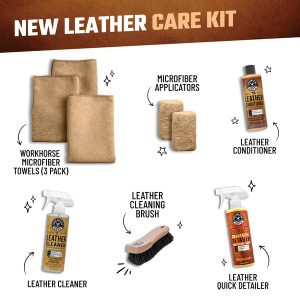
Leather seats require specific attention. Modern automotive leather is typically coated with a synthetic layer, but it still needs cleaning to prevent body oils from degrading the finish. A dedicated leather cleaner and a soft horsehair brush are the standard tools. The brush agitates the grain of the leather, lifting dirt from the pores. Following cleaning, a leather conditioner is applied. While the conditioner may not penetrate deep into coated leather, it keeps the top coating pliable and prevents abrasion from clothing, particularly the dye transfer from denim jeans.
Glass and Carpets
Interior glass cleaning is notoriously difficult due to “outgassing”—a film that forms on the inside of windshields released by the dashboard plastics. To combat this, you need a glass cleaner that is ammonia-free. Ammonia can damage aftermarket window tints. Pair this with a waffle-weave microfiber towel, which is designed to cut through film without leaving lint behind.
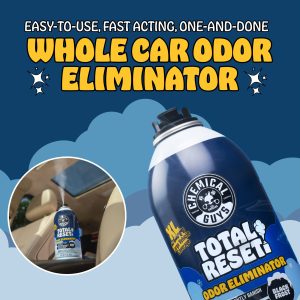
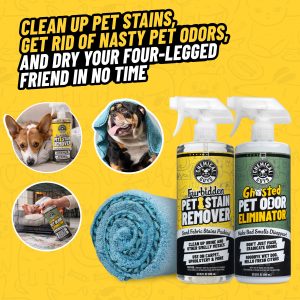
For carpets and fabric upholstery, a fabric extractor or a drill-brush attachment is often used. However, for maintenance, enzyme-based cleaners are excellent. These biological cleaners break down organic stains (like food or coffee spills) at a molecular level, eliminating odors rather than just masking them.
The Role of Brushes
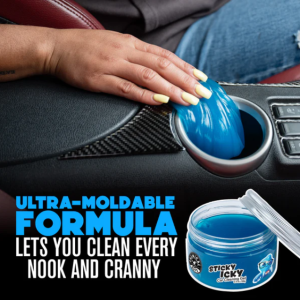
Finally, a set of detailing brushes is indispensable. These small, pen-like brushes with soft bristles are used to dust air vents, clean around buttons, and sweep debris out of cup holders. Combining these mechanical tools with the right chemical solutions ensures that the interior environment remains sanitary, fresh, and visually appealing.